Taking Charge And Changing Minds

One student's work explores the process of changing minds and changing systems.
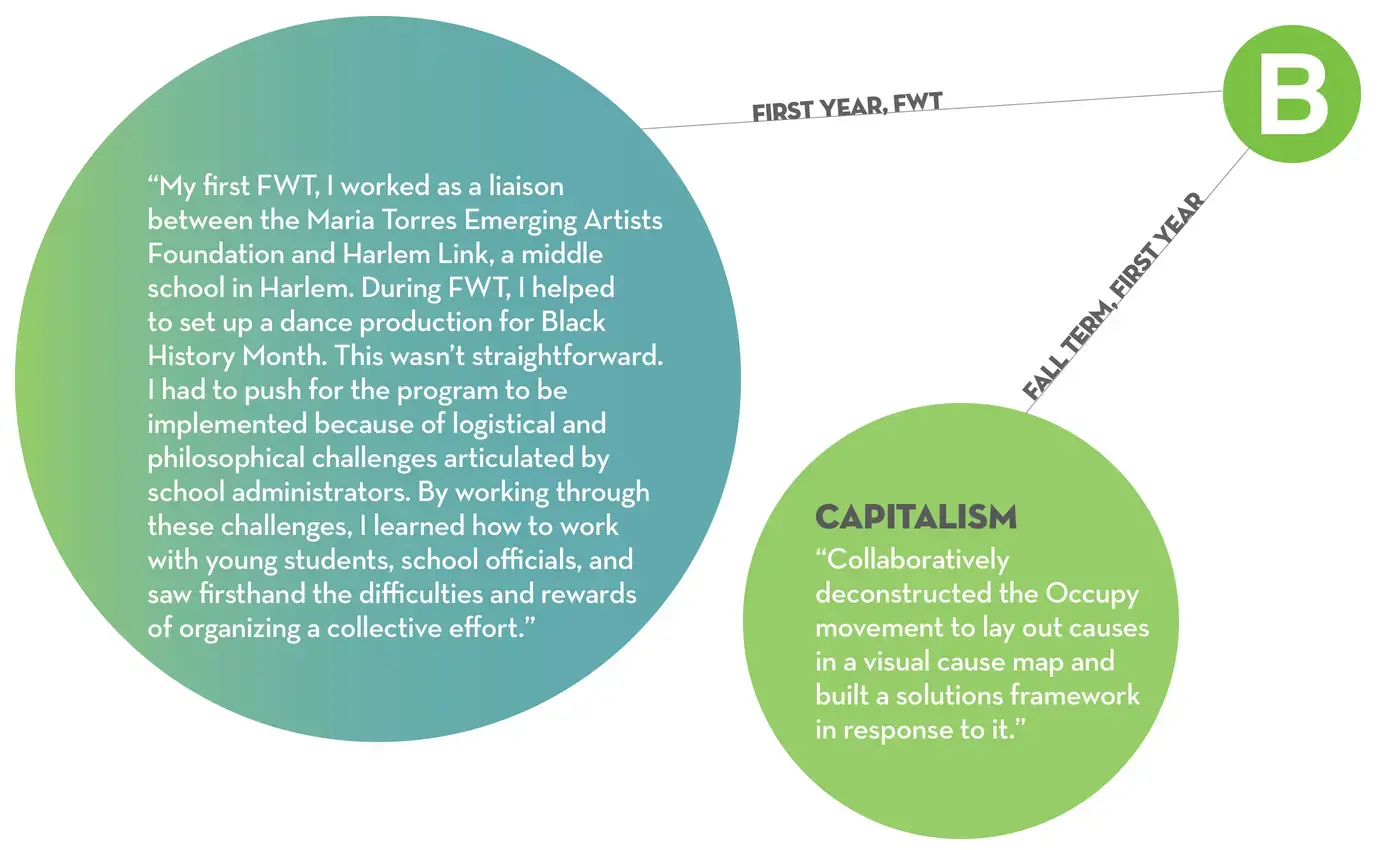
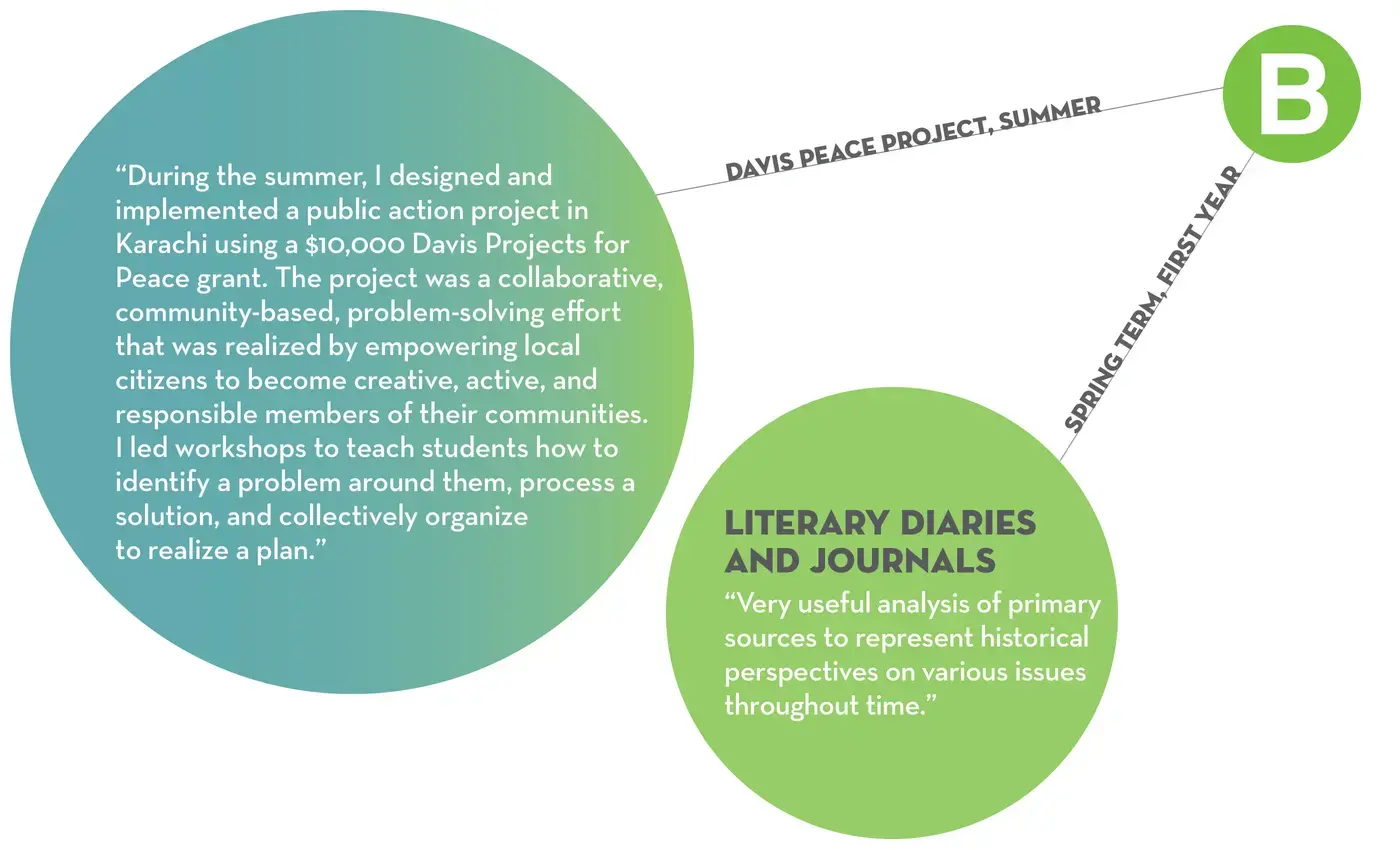
Malia Ali won funding from the prestigious Davis Peace Project; formed and led an NGO; went head-to-head with New York City school administrators (and won); designed and implemented groundbreaking curriculum; and restored a defunct public library in Karachi, Pakistan—all by the time she was a sophomore.
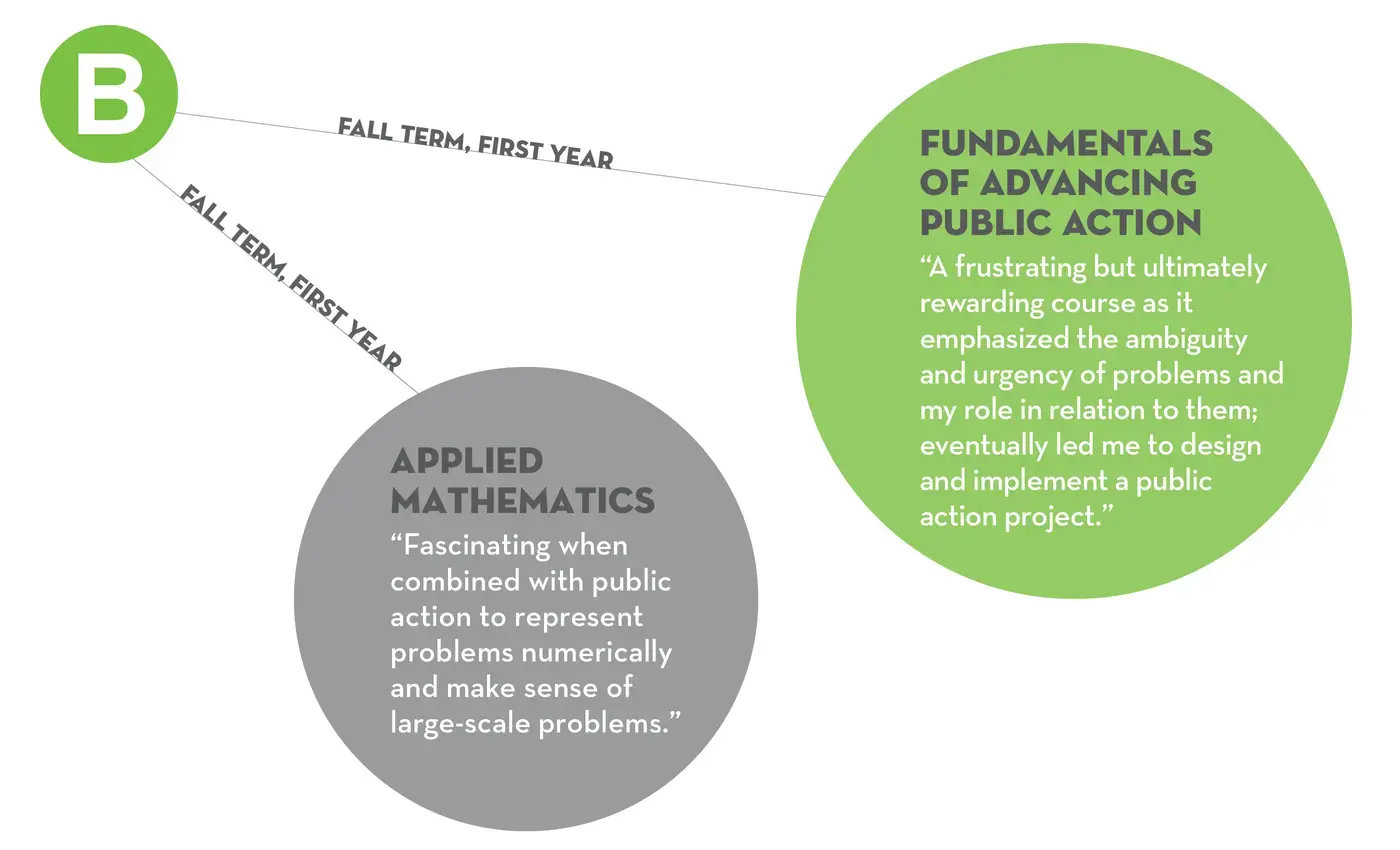
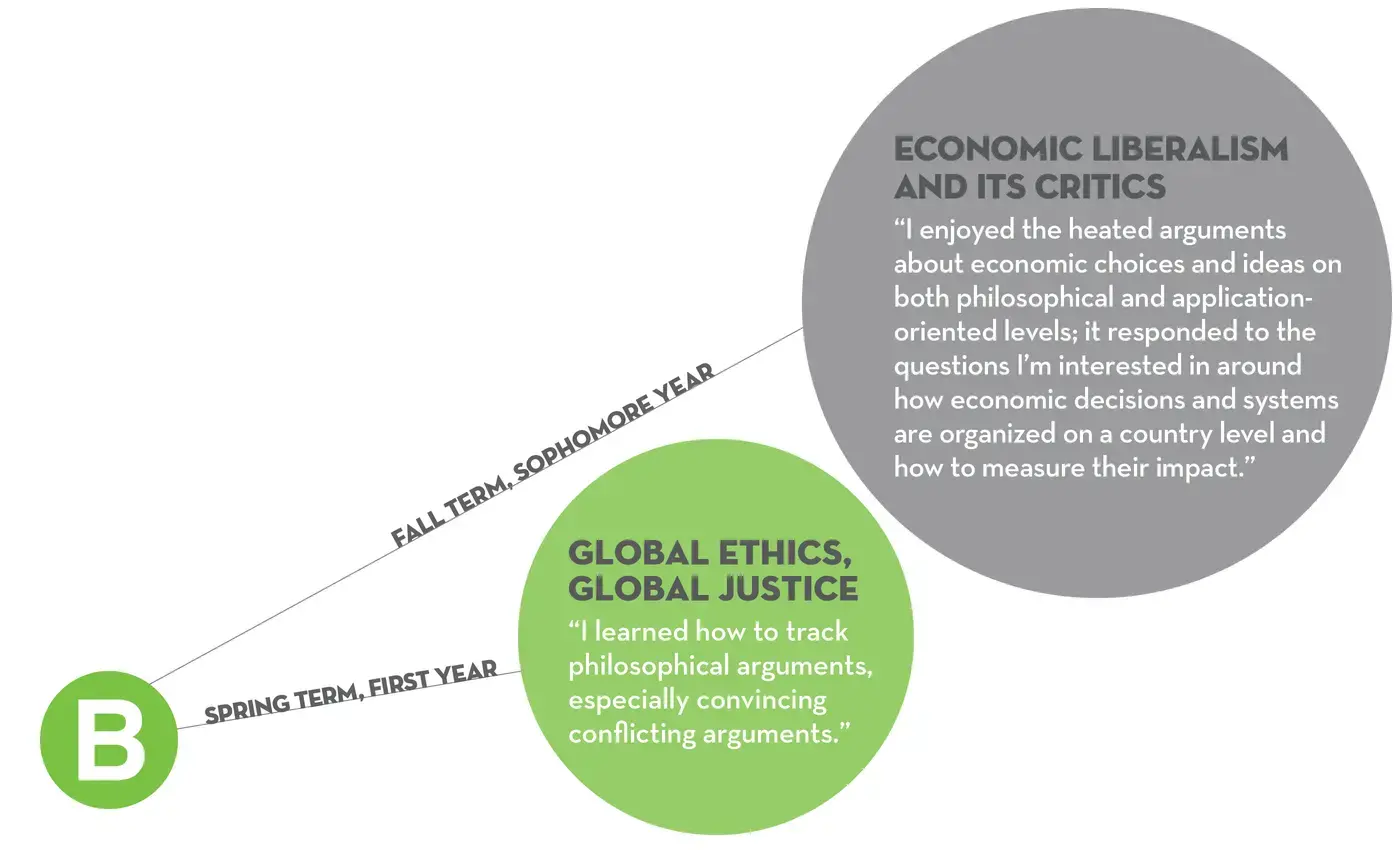
Maliha’s success has a lot to do with her tenacity, quick thinking, and intellectual ambition. It has to do with her interest in changing minds based on convincing evidence. It has to do with her passion to solve problems. And it has a lot to do with how she overcomes red tape and bureaucracy. At Bennington, Maliha was able to shape an academic plan around her interests and aspirations: changing minds and systems through effective arguments and leadership.

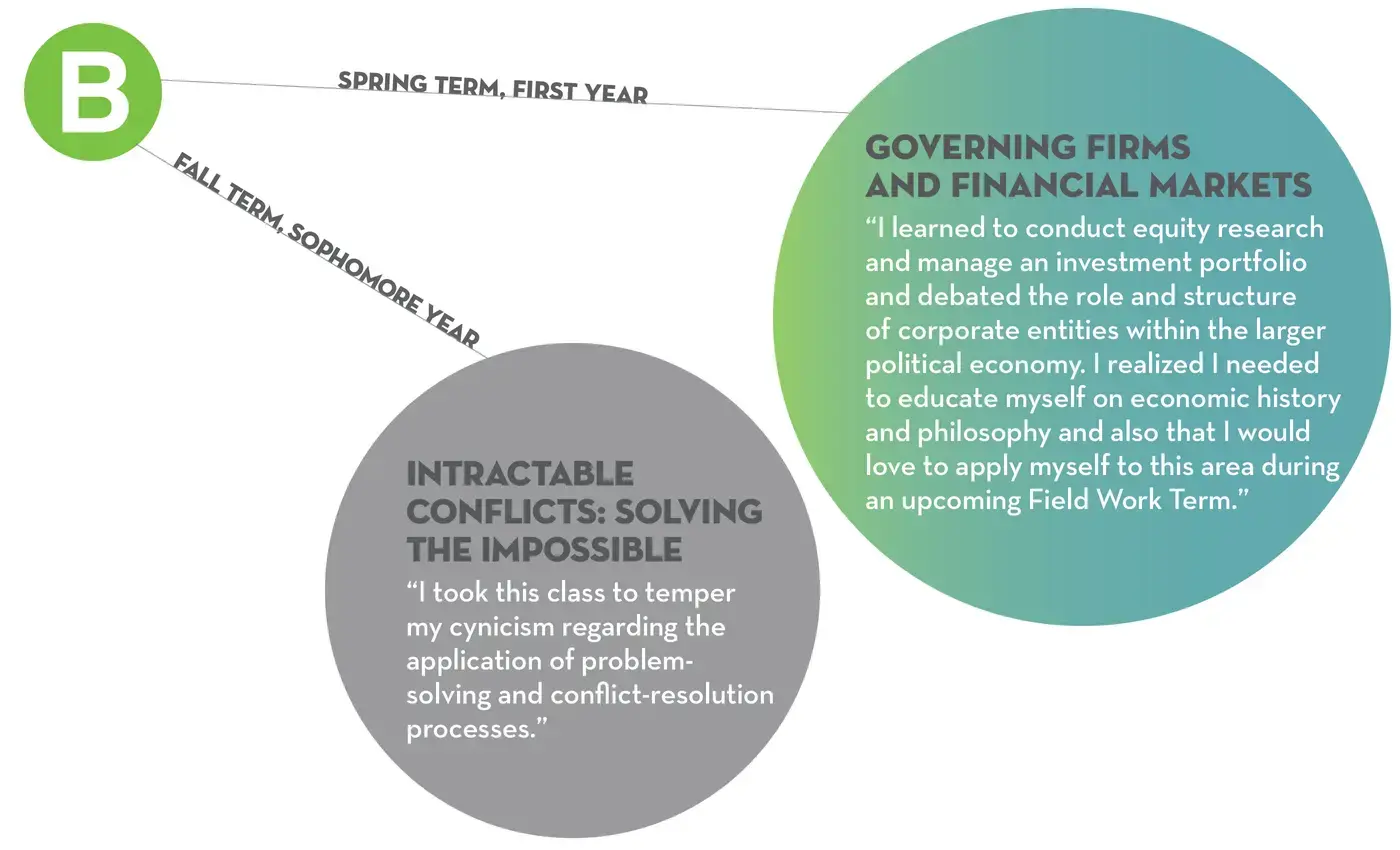
Maliha makes sense of her studies this way in the opening of her Plan essay:
“While I think it is necessary to include a study of historical, philosophical, and psychological approaches in addressing questions about individual and system change, I would like my ultimate focus to be on application. What does it mean to change the mind of an individual or a group of individuals? What is the process? What are leverage points? What makes an effective argument, an effective leader, an effective system? If it were to be mapped, what would it look like?”