Three Questions with Chef Josh Ruff
At Commons Dining Hall, Chef Josh Ruff uses produce grown at the campus’s Purple Carrot Farm. In this interview, he talks about how using the “localest” of local produce changes the menu and the vibe.
How does it feel to work with produce from Purple Carrot Farm?
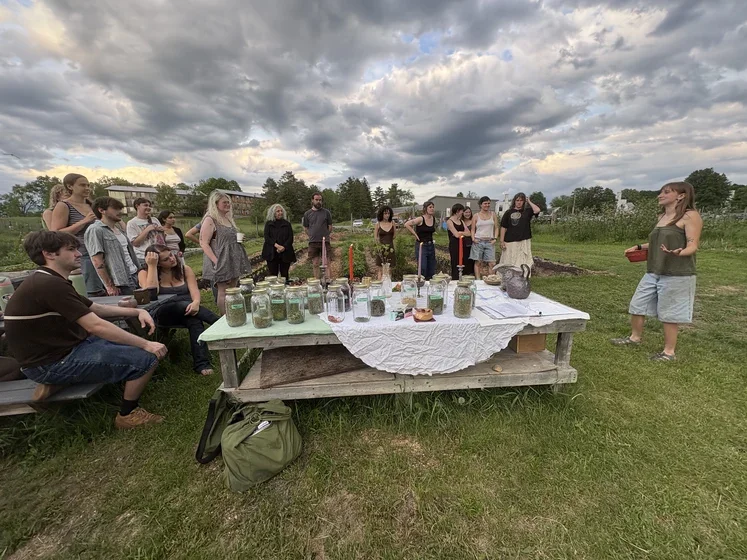
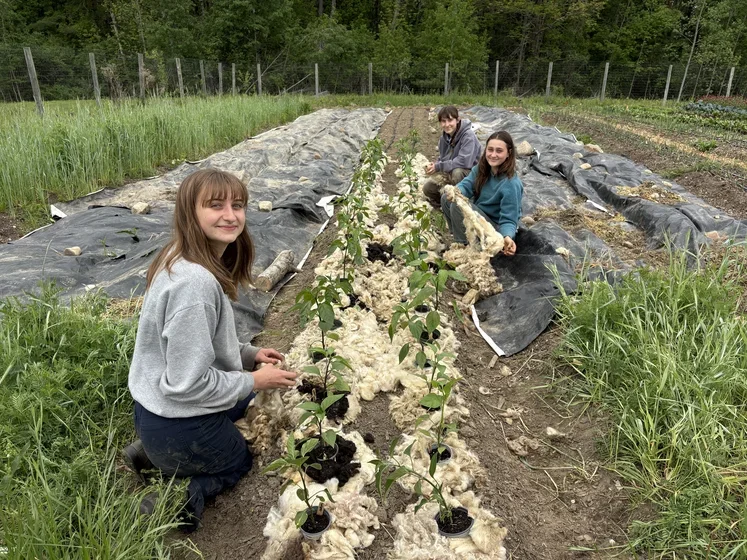
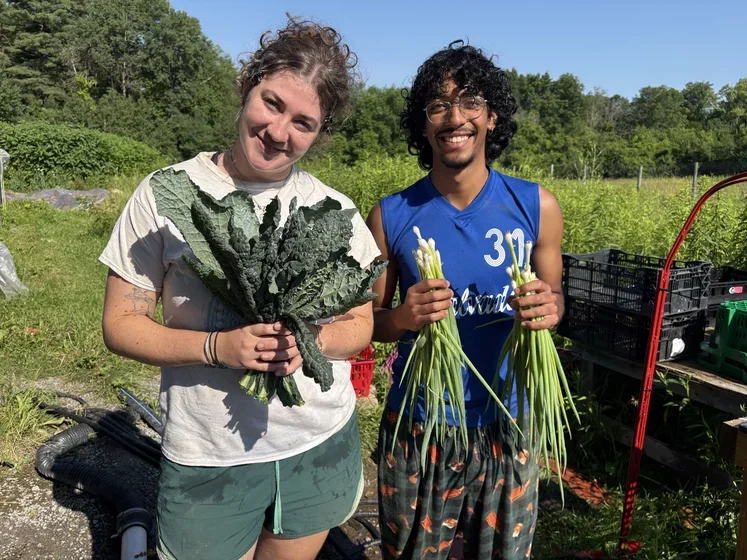
Having vegetables from Purple Carrot Farm on campus tends to change the feeling of food in a subtle, but noticeable, way. It makes meals feel closer to where you are—not abstract or shipped in, but rooted in the same place you work and feed students. When you see produce that was grown just down the road (or even walk past the fields yourself), there’s a sense that the food belongs to the campus, not just the dining hall.
What are the logistical differences between using Purple Carrot Farm produce and ordering from a regular distributor?
Using produce from Purple Carrot Farm changes how you plan, order, receive, and even think about food. With a regular distributor, you’re working from a huge catalog. You decide what you want, place an order, and expect it to arrive consistently year-round. With the farm, it’s almost reversed: you plan around what’s available. Orders are often based on weekly harvest lists, so menus have to stay flexible and seasonal.
What are the benefits, from your perspective?
Working with Purple Carrot Farm turns food into a lived experience. People can see where ingredients come from, which makes eating feel more connected and intentional. There’s an undercurrent of pride or care. It’s also fresher and more seasonal. Produce can go from harvest to plate quickly, which improves quality and encourages menus that reflect the actual season rather than a standardized year-round supply. And seeing the effort behind growing food makes issues like soil health, waste, and seasonality more tangible. It’s not just about having fresher vegetables: it’s about making food, learning, and community more immediate and real.