A Different Kind of All-Nighter
Film Night 2026 draws a crowd.
Kurosawa, Mambéty, Bergman, and Satrapi. At Film Night, Bennington students got a taste of the work of major filmmakers, including these and others.
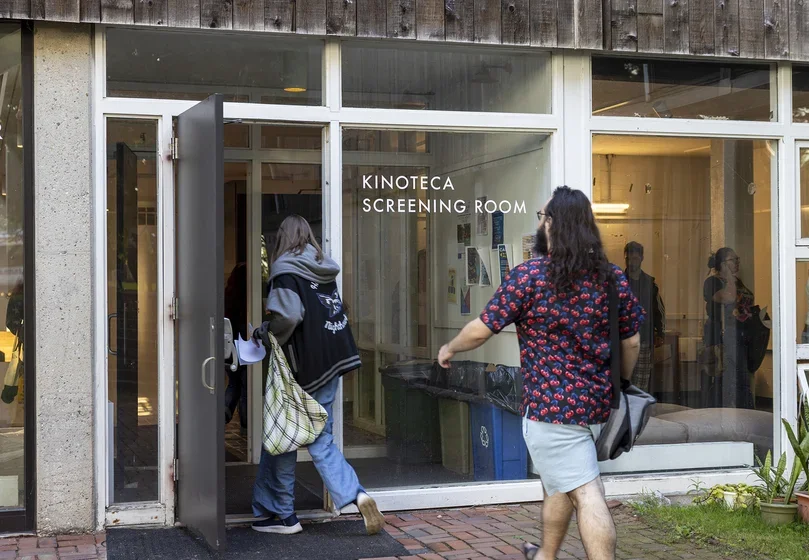
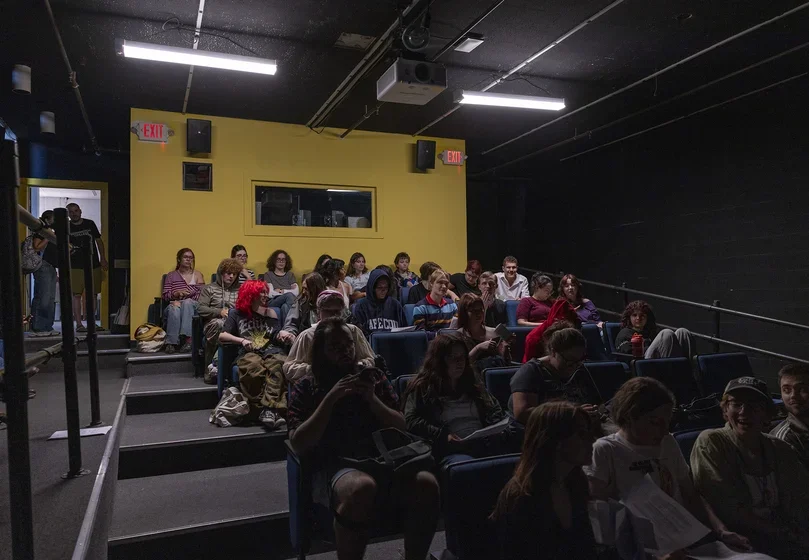
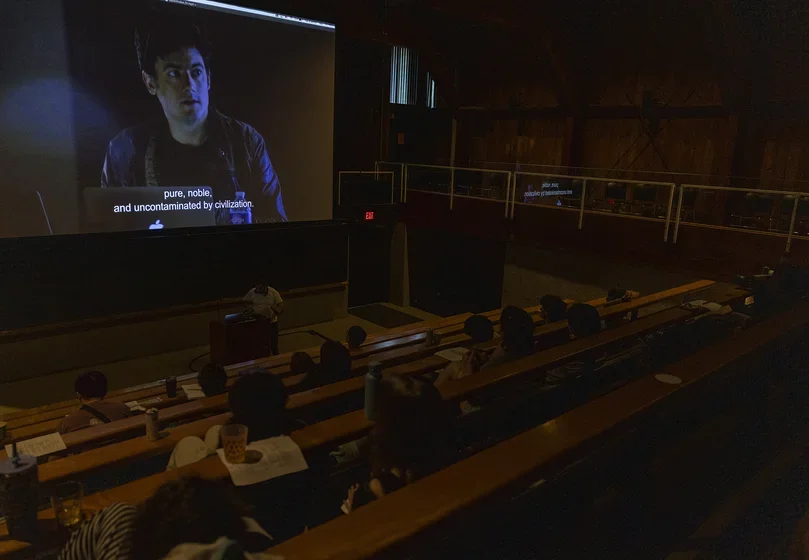
In Kinoteca and Tishman between 6:00 pm Saturday, September 5, and 6:00 am on Sunday—the first Saturday night of the term—more than 100 students enrolled in an all-night film class.

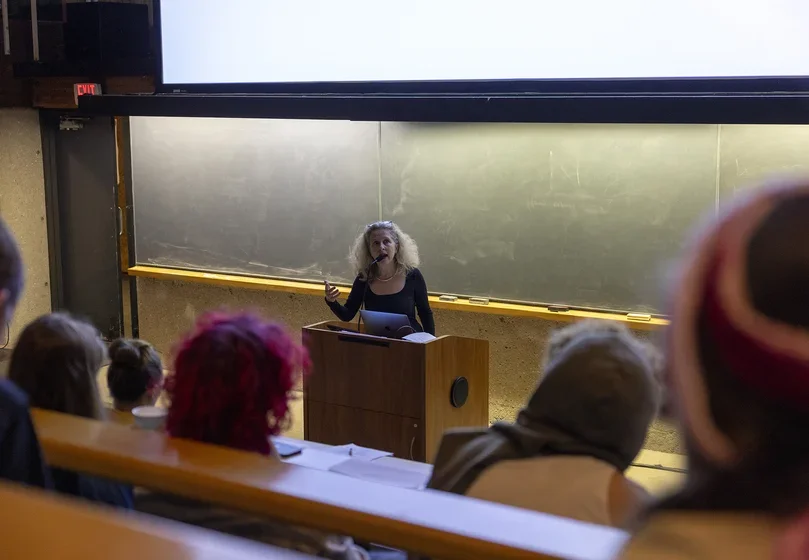
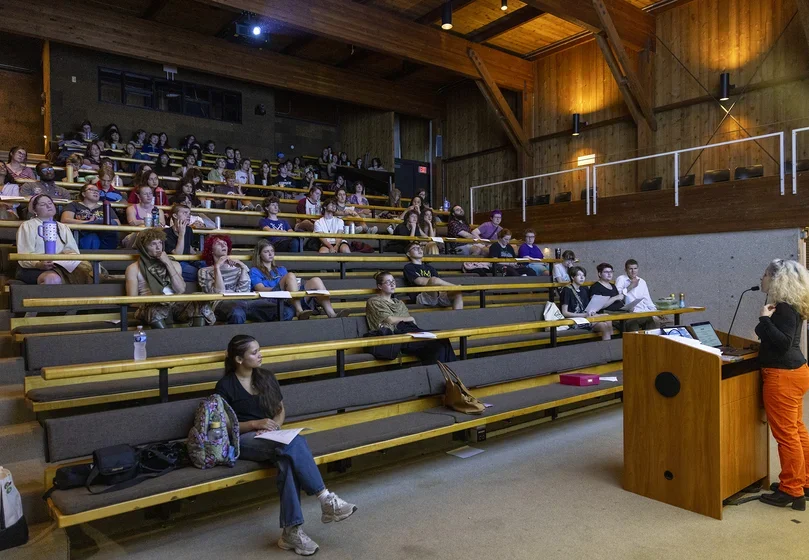
Enrolled students watched five of the ten domestic and international films screened and completed the associated assignments to receive one credit. Non-enrolled students attended for fun, and food and refreshments were served between films.
Giovanni Nkomane ’29 enrolled because he is an aspiring screenwriter. “I believe we have to read and watch a lot of movies to broaden our perspective, understand what works and what doesn't, and avoid repeating the same mistakes in our work,” he said. Plus, he was attracted to the challenge of it. “Sitting in a theater for 12 hours was ambitious,” said Nkomane. “Students usually don't commit to more than 2 hours.”
The films were chosen carefully by faculty member in Cultural Studies and Languages (CSL) Noëlle Rouxel-Cubberly, who conceptualized and created the film festival.
“This course allows students to discover and reflect on a broad range of films,” said Noëlle Rouxel-Cubberly, who organized the event and chose the films. “My hometown of Tours, France, is home to Cinémas Studio, the largest independent art-house cinema complex in the country. Experiencing their annual, all-night film marathon (Nuit des Studio) gave me the inspiration to adapt this concept into a unique, one-credit course at Bennington.”
Designed to expand student imagination beyond mainstream media, this course centers on community building and meaningful and unpredictable human interaction.
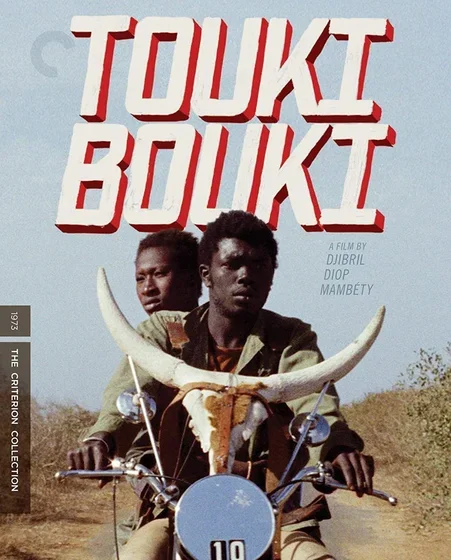
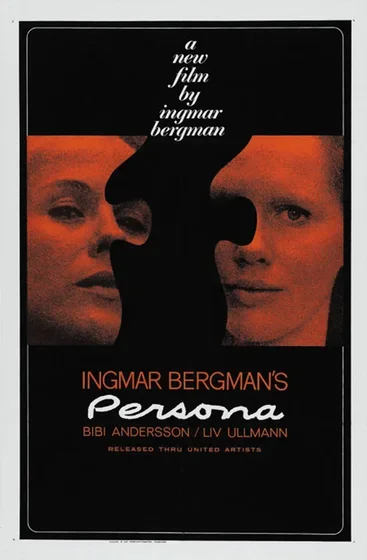
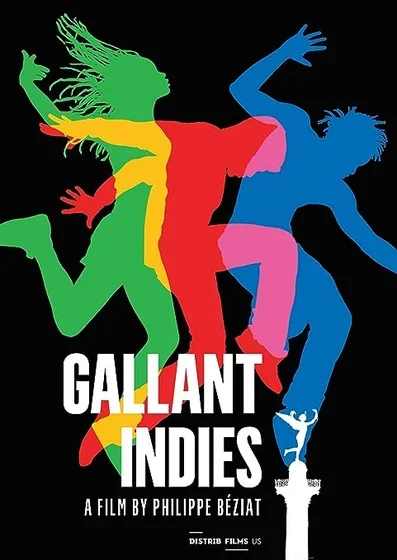
They included: baroque music and urban dance documentary Gallant Indies (Béziat - Cogitore/Dembélé, 2020, France), comedy dramas Left-Handed Girl (Shih-Ching Tsou, 2025, Taiwan), The Little Sister (Hafzia Herzi, 2025, France), classic Rashomon (Kurosawa, 1950, Japan) and Persona (Bergman, 1966, Sweden), political road movie and drama Y tu mamá también (Cuarón, 2001, Mexico), picaresque and avant-garde Touki Bouki (Mambéty, 1973, Senegal), the animated Persepolis (Satrapi, 2007, France/Iran), funny family road movie Little Miss Sunshine (Dayton/Faris, 2006, USA), and psychological thriller The Guilty (Möller, 2018, Denmark).
Assignments included a questionnaire about each film’s characteristics and content and a written response that tied an element of one of the films to students’ own academic interests.
Rashomon by Akira Kurosawa resonated with Margarita Titarenko ’27. “Several witnesses provide their own version of the crime,” she explained. “We, as audience, question the truth while the characters get more confused [and realize] that even their own truth is not real.” Titarenko has approached the same concept in her plays. “I always find it fascinating how the same story can be changed only by the perspective of a story teller,” she said.
The event inspired critical thinking about religion, identity, culture, sexuality, and other topics. For instance, Sadie Burch '28, who studies the ways religion shapes government systems and legislation, was interested in the film Persepolis.
“I’d never heard a story quite like it, or seen a movie done in this style,” she said. “The film reminded me that even though my [academic] plan focuses on large systems, it's the ways that these systems affect peoples’ lives that give them significance.”
In addition to challenging students to see films they likely would not have and connect the films to their academic work, students had to have conversations with different peers, and were encouraged to interview peers they did not yet know. Students asked each other about the significance of the film’s title, the cultural identity represented, the music or sounds featured in the film, or favorite scenes.
Thea Harvey-Wilson ’27 is a fan of artful or culturally significant films.
“I knew the selection would be good, and it was. I really enjoyed every movie,” they said. But, they added, the event was also significant in another way. “It was a great opportunity to meet people, as well, since we were all having discussions about the films and spending our night having this experience together.”
It was, Burch said, “truly an amazing experience.”
The event was sponsored by CSL, Student Life, the Office of Inclusive Culture and Belonging, Film/Video, Animation, and Ceramics, with additional support from an Albertine Cinémathèque grant.