CAPA: Related Content

Eileen Scully is an award-winning scholar of American diplomacy and international history. Her recent work explores historical understandings of human trafficking and international customary law on the coming, going, and staying of destitute, physically disabled migrants.
Dr. Christopher Barsotti, MD, is the founding CEO of the American Foundation for Firearm Injury Reduction in Medicine (AFFIRM). He is a community practice emergency medicine physician who serves patients in rural western Massachusetts, southern Vermont and upstate New York, and a certified 4-H youth rifle instructor.
Title Office and Legal Assistant at Rudolph Management, a development and property management firm. Masters from Tulane University in Sustainable Real Estate Development. Former White House intern during the Obama administration.
Alisa Del Tufo's career has been dedicated to making impact at the nexus of practice and policy; individual and community change; intellectual pursuit and activism with the goal of ending violence in the lives of women and girls addressing racism and other deep social challenges. She has founded three organizations: Sanctuary for Families, CONNECT, and Threshold Collaborative.
Gillian Goddard is a systems thinker, community organizer, and chocolate maker who engages with food and agriculture as a means of instigating global change.
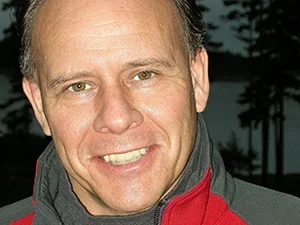
Jon Isherwood is a sculptor who has pioneered high-tech CNC technologies, led international projects, and designed opportunities to investigate the sites where the intellectual and physical become visually entangled.
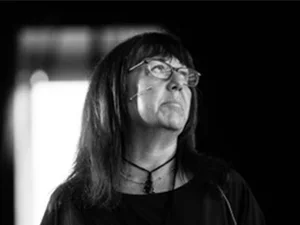
Susan Basterfield is a collective entrepreneur, catalyst, author and educator based in New Zealand. She traded corporate life for a deep dive into alternative livelihood and the future of work.
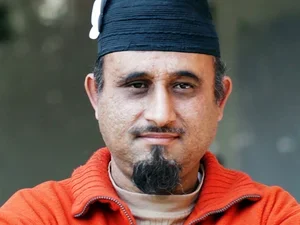
Founder of Bibeksheel Nepali, a populist political party founded in the wake of Nepal’s 2015 earthquake

Yoko Inoue’s multidisciplinary art practice anthropologically examines complex relationships between people and objects, the commodification of culture, and the assimilation and transformation of cultural meaning and values. Using ceramic medium she explores the socio-political and economic implication of products and globalization.
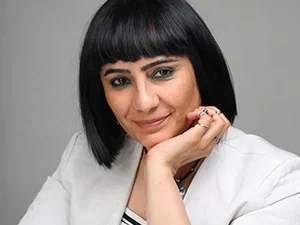
Farzana Wahidy is an award-winning Afghan documentary photographer best known for her photographs of women and girls from Afghanistan. She was the first female Afghan photographer to work with international media agencies. Wahidy has been documenting the lives of Afghan women for more than a decade, and she recently established the Afghanistan Photographers Association.

Feminist writer whose work was a lightning rod for the debate on pornography and censorship in the United States
Photo: John Cavanaugh
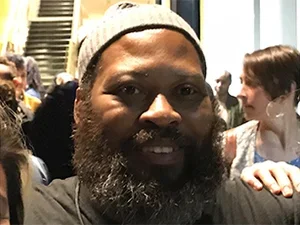
Kenneth Bailey's work focuses on public-making: inviting artists, academics and activists to imagine new public infrastructures, habits and atmospheres as a strategy for social change.
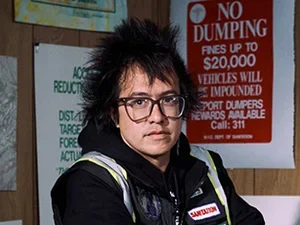
sTo Len is a genre fluid artist based in NY whose work has centered on embedded collaborations with environmentally abused landscapes, multi-species communities, and municipal agencies such as the NY Department of Sanitation.
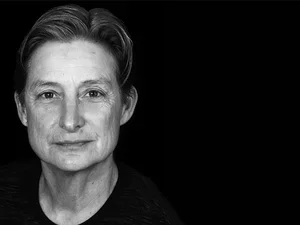
Author of Gender Trouble, one of the most important works of philosophy and gender theory of the postmodern era

Susan Sgorbati is a professional mediator and educator whose creative research has led to collaboration across disciplines and borders as both an artist and a driver of social change.
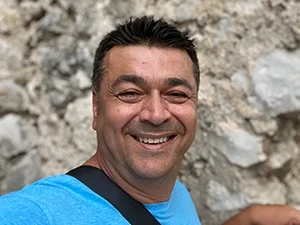
Vahidin Omanovic is a peacebuilder born in Bosnia and from Herzegovina.
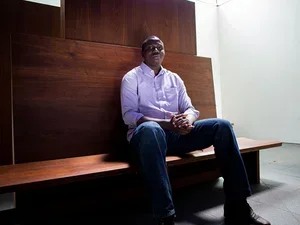
Called a “creative disruptor” in the field of agricultural finance by Forbes and currently pursuing an MBA at Stanford University.
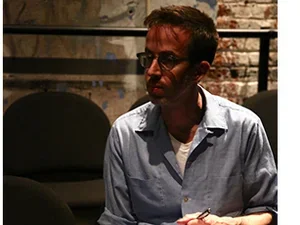
Aaron Landsman makes live performances and other events, at the intersection of art and community organizing. His work has been presented extensively in New York, in several US cities, and internationally in Norway, Serbia, Morocco and the UK.
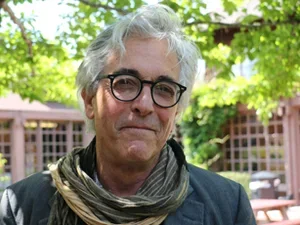
Mark Schapiro is an award-winning investigative journalist specializing in the environment.
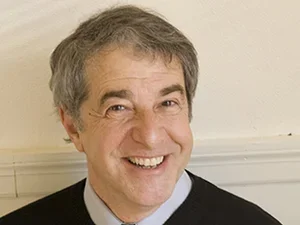
Daniel Michaelson was co-creator of Bennington College’s mediation curriculum, cofounder of a program to re-engage Bennington-area youth with their education, and a professional costume/set designer. He was one of a team of international collaborators in the creation of a play for peace building.
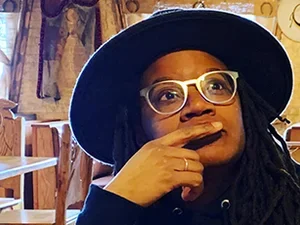
Lauren Ruffin is a thinker, designer, and leader interested in building strong, sustainable, anti-racist systems and organizations. She's interested in exploring how we can leverage new technologies to combat racial and economic injustice.